Where farming leads the job numbers
The Liverpool Plains is one of the few council areas around Tamworth where farming tops the employment figures. At the 2021 Census, specialised beef cattle farming was the largest employing industry with 175 people, grain-sheep or grain-beef cattle farming was second with 140, and other grain growing was fourth with 97 (ABS QuickStats, Liverpool Plains). The council area had 7,551 people and a median weekly household income of $1,165.
So most fencing around Quirindi is working farm fencing: cattle boundaries, laneways between cropping paddocks, and the fences that let a mixed farm graze stubble after harvest.
Plains and ranges
The district is not all flat. The black soil plains run west towards Breeza and Spring Ridge, while the country rises into the Liverpool Range to the south and east, around Willow Tree, Wallabadah and Pine Ridge. The plains suit long straight runs of plain wire. The ranges bring slope, rock and timber, and a different kind of quote.
| Part of the district | Typical job | What changes the quote |
|---|---|---|
| Black soil plains | Long boundaries and laneways, machinery gates | Soil moisture at the time of building, strainer footings |
| Mixed grain and cattle | Fences that hold cattle on stubble | Hot wires, gate placement for machinery and stock |
| Range country to the south | Cattle fencing on slopes, dog netting | Rock, slope, timber on the line, vehicle access |
| Towns and villages | Horse and small block fencing | Rails, mesh and council rules near town |
Grazing the stubble
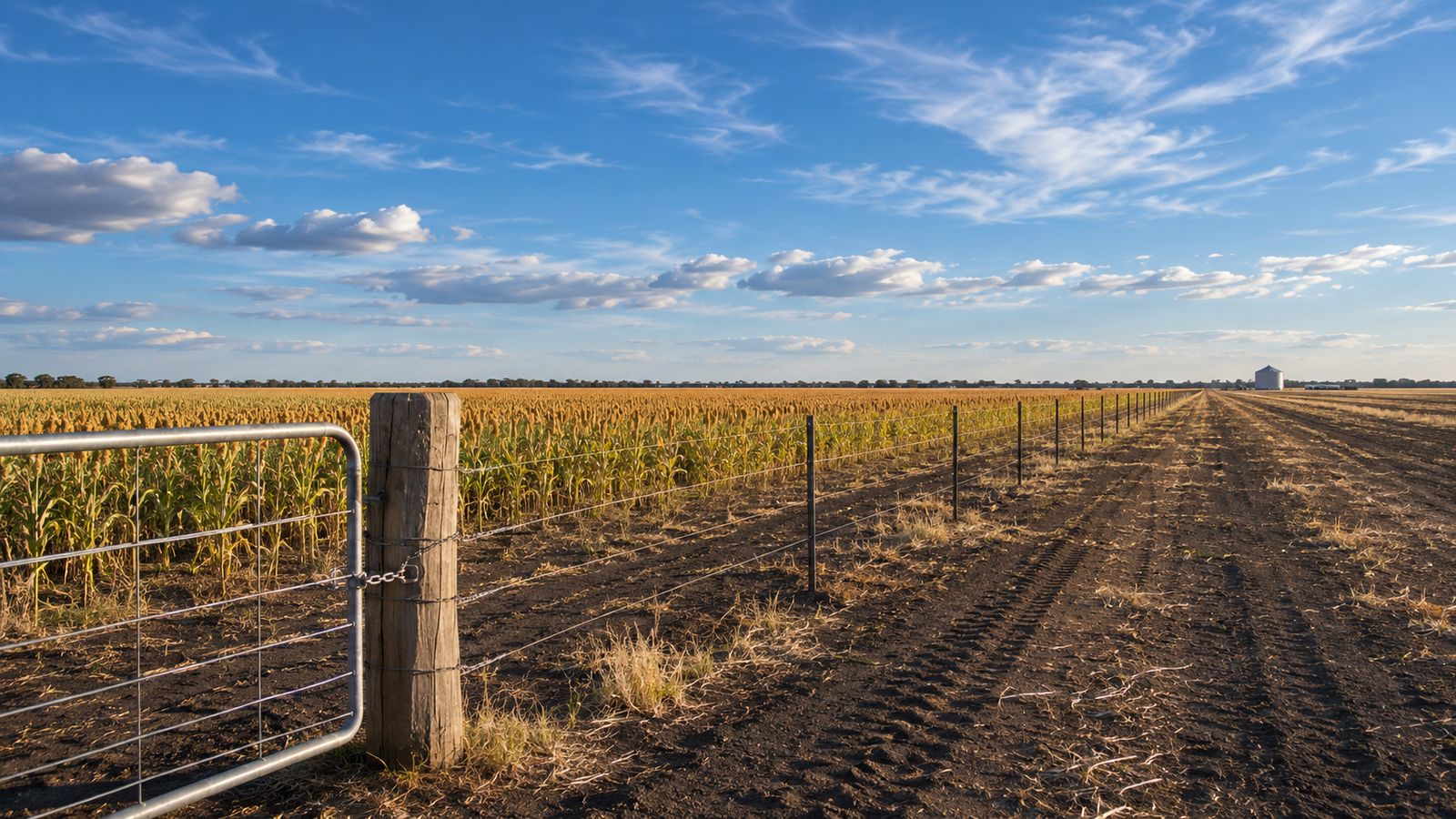
On mixed farms, fences have to work for both enterprises. A crop paddock may need nothing more than a boundary in spring, then hold cattle on stubble in autumn. That often makes a permanent outer fence plus electric internal breaks the most flexible answer. Electric fencing covers how those breaks are built, and cattle and sheep fencing covers the permanent fence.
Gate placement matters more than people expect. Machinery gates need to be wide, in line with headlands, and placed so a header or air seeder can swing in without clipping a strainer. Mark them before the contractor quotes.
Dogs in the ranges
Northern Tablelands and North West Local Land Services run a joint wild dog and fox baiting program whose 2026 notice described the program area as reaching south to Quirindi (Local Land Services baiting notice). Producers with sheep or calves in the range country often fence with dogs in mind. The wild dog fencing guide explains where fencing fits alongside baiting.
Neighbours and roads
The New England Highway and the rail lines through Werris Creek mean many properties have long frontages to roads or rail land. Road frontages are normally the landholder's own cost. For a shared boundary with another farm, read farm boundary fencing first.
Getting it quoted
Send the locality, the stock, a rough length and a photo along the line through the quote form. Say if the paddock is in crop and when it will be free, so the contractor can plan around it.
What this page cannot tell you
It cannot tell you how your soil or slope will affect the fence, whether dogs are active on your place, or when a contractor can fit you in. The census figures are for the whole Liverpool Plains council area. The descriptions of the district are a general guide. For approvals ask Liverpool Plains Shire Council, for pests and clearing ask Local Land Services, and for the fence ask a contractor who works the plains.
Check the current rules before you rely on this
This page describes the mixed grain and cattle country of the Liverpool Plains around Quirindi and what affects rural fencing jobs there. It describes the rules in general terms as they stood in November 2026. Standards, forms, thresholds and fines change.
The authoritative sources are ABS 2021 Census QuickStats: Liverpool Plains (local government area), Local Land Services, 1080 aerial and ground baiting program for wild dog and fox control (2026 notice), NSW Planning, fences (exempt and complying development) and NSW Police, straying stock on public roads. Where anything here differs from those sources, they are right and we are not.
We are not fencing contractors, builders, regulators or lawyers. For what applies to your fence, ask the contractor which licence or registration they hold for your job, then ask NSW Fair Trading or Building Commission NSW if you are unsure, and ask the council that covers the land.
Accurate at the time of writing, November 2026. Always check the source before relying on it.