The short version
In New South Wales, owners of adjoining land are usually liable to contribute equally to the cost of a sufficient dividing fence. That comes from the Dividing Fences Act 1991, a law about sharing the cost of fences between neighbours (the Act, in the version we found dated 7 December 2024). An owner who wants better than a sufficient fence pays the difference. Check the current Act on legislation.nsw.gov.au, because laws are amended.
The Act applies to farms just as it does to town blocks. We found nothing in it written for rural land in particular. What is different on a farm is scale: kilometres of boundary instead of metres, and neighbours who may use their land in very different ways.
What counts as sufficient
The Act does not give a height, wire count or material for a sufficient fence. If owners cannot agree and the matter goes further, the decision-maker considers all the circumstances, including the fence already there, how each property is used, the kind of fences usual in the area, and any relevant council policy. Around Tamworth, where a cattle place can adjoin a cropping farm or a horse block, two reasonable owners can fairly disagree. Farm boundary fencing shows how most sort it out.
Step by step
| Step | What happens | Source |
|---|---|---|
| Talk | Agree the line, the fence and the split with the neighbour, and write it down. | Legal Aid NSW |
| Written notice | If informal talks fail, serve a written notice describing the boundary, the proposed work and the estimated cost. | the Act |
| One month | Owners have a month from the notice to reach agreement. | Legal Aid NSW |
| Mediation | Community Justice Centres offer free mediation for neighbour disputes, including fences. | State Library NSW (secondary source) |
| Application | Still no agreement? Either owner may apply to a court or tribunal for orders on the fence and the contributions. | the Act |
Two cautions. The sources we read do not agree on exactly which court or tribunal hears these disputes, and an older fact sheet names a different body again, so confirm where to lodge before you apply. And the Act does not say a neighbour who ignores your notice is taken to agree. Silence moves you to the next step. It does not make the neighbour liable.
Build first, bill later rarely works
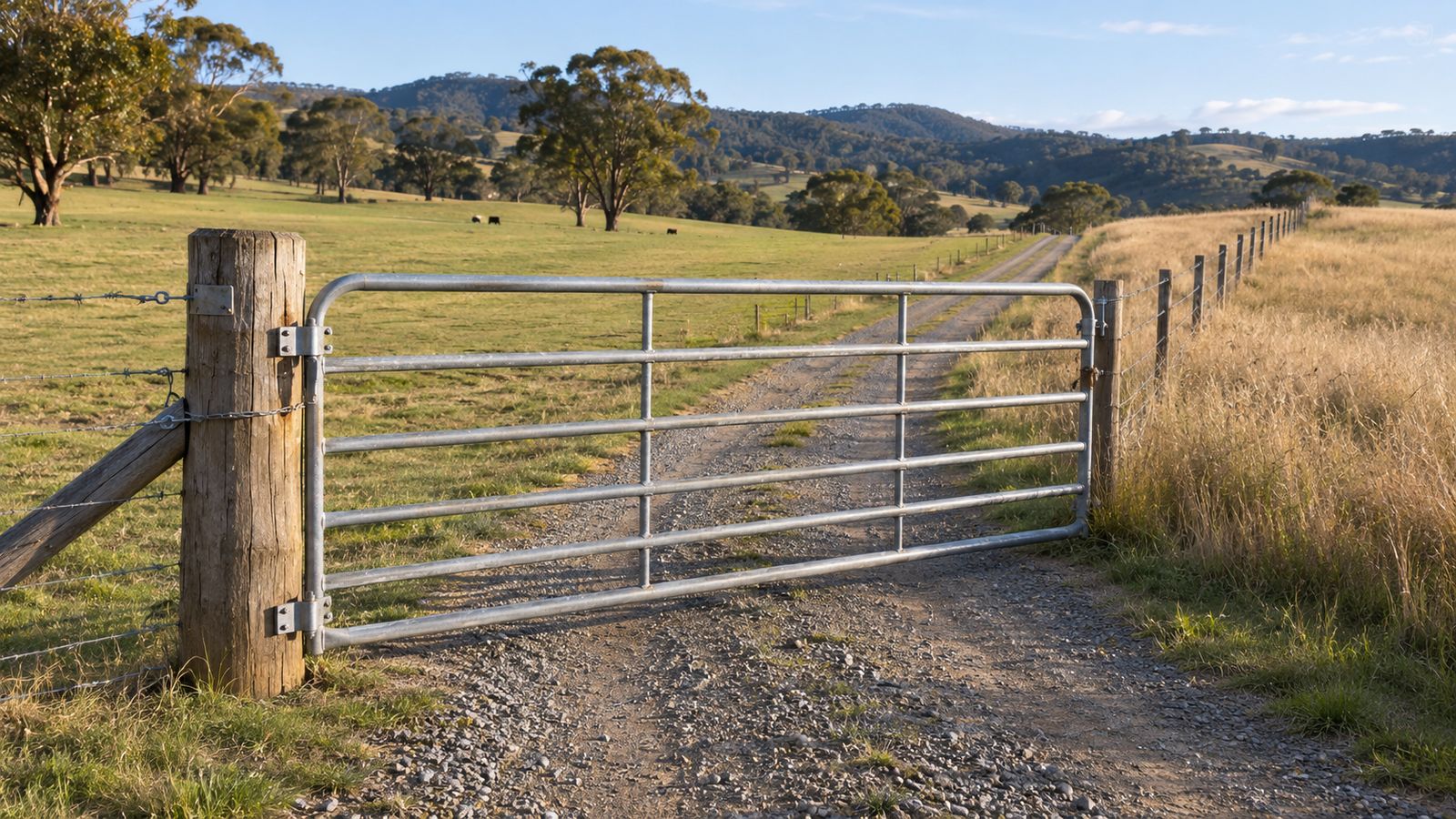
As a general rule an owner does not have to contribute to fencing work done before there was an agreement or an order. Legal Aid NSW says that if you go ahead without agreement you may not be able to recover the neighbour's share (Legal Aid NSW). The exception is urgent work on a fence that has been damaged or destroyed, where the Act lets you do the work and seek half. If it turns out the work was not urgent, you can lose that claim. Photograph before and after.
When one side caused the damage
The Act says an owner whose negligent or deliberate act damages a dividing fence can be liable for up to the whole cost of repairing it. Cattle pushing over a sound fence, a burn-off that escaped, or a tree dropped across the wire could all raise the question. Whether liability is made out is for the owners, their insurers or a court or tribunal.
What the Act does not settle
- Public land next door. A secondary source says public authorities that manage Crown land, parks, reserves and roads are generally not bound to contribute, though some do (State Library NSW). We did not confirm that in the Act. See roads, stock routes and Crown land.
- Disasters. The urgent work provision covers damaged fences generally. We found nothing specific to floods or fires.
- New owners. Agreements between two owners do not automatically bind someone who buys either place later.
- The boundary itself. The Act shares the cost of a fence. It does not fix where the boundary is. A registered surveyor does that.
A practical order
Walk the line with the neighbour, agree a base fence, get a written quote with extras separated, sign a short agreement, then build. If the conversation stalls, serve the notice and start the month running well before the fence is urgent. Start the quote on the contact page.
What this guide cannot do
This is general information, not legal advice. It cannot tell you what a court or tribunal would order on your boundary, whether your notice is valid or whether a neighbour's refusal is reasonable. It is based on the version of the Act and the guides linked here, which may have changed. Read the current Act, use the Legal Aid NSW material, try mediation, and see a solicitor if the money involved justifies it.
Check the current rules before you rely on this
This page describes how neighbours in NSW share the cost of a dividing fence under the Dividing Fences Act 1991 and what to do if they cannot agree. It describes the rules in general terms as they stood in November 2026. Standards, forms, thresholds and fines change.
The authoritative sources are Dividing Fences Act 1991 (NSW), in-force version dated 7 December 2024 (check the current version), Legal Aid NSW, fences, boundaries and retaining walls FAQs, State Library NSW, dividing fences guide (secondary source) and NSW Local Court, problems with fences fact sheet (older; names a different forum from other sources). Where anything here differs from those sources, they are right and we are not.
We are not fencing contractors, builders, regulators or lawyers. For what applies to your boundary, read the current Act on legislation.nsw.gov.au, use Legal Aid NSW's guidance or speak to a solicitor, and ask a registered surveyor if the line itself is in doubt.
Accurate at the time of writing, November 2026. Always check the source before relying on it.